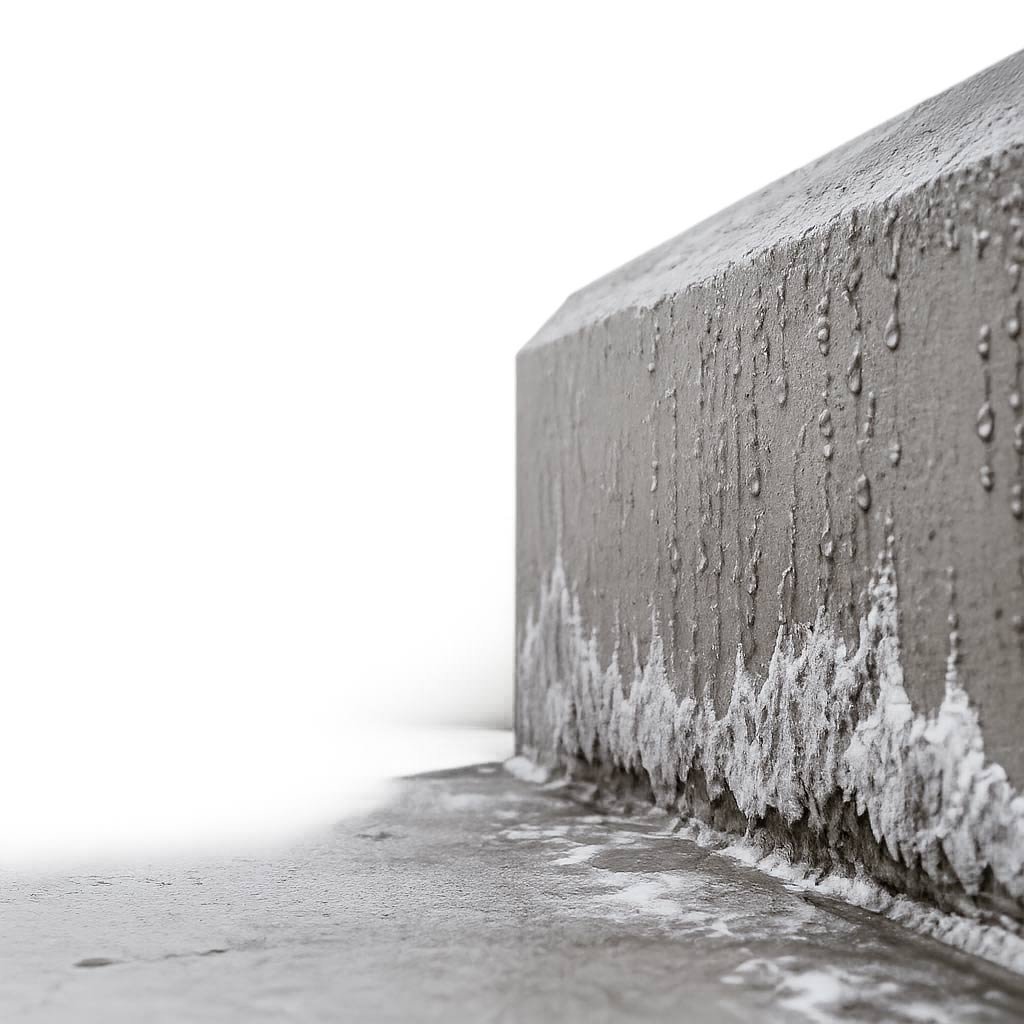
Have you ever walked into a garage, basement, warehouse, or newly poured concrete area and noticed moisture forming on the surface, even when there hasn’t been any rain? Many homeowners and contractors describe this issue as concrete sweating heavily.
It’s a surprisingly common problem across homes, commercial buildings, and construction projects throughout London, Kent, Essex, and surrounding areas including Romford, Chelmsford, Dartford, Bromley, Basildon, Stratford, and Southend.
But why does concrete sweat heavily in the first place? More importantly, is it dangerous, and how can you stop it?
In this expert guide, we’ll explain the real causes of sweating concrete, how to fix the issue properly, and the best prevention methods for long-term protection. We’ll also cover when moisture problems may indicate deeper concrete or ventilation issues.
Whether you’re a homeowner, property developer, builder, or contractor, understanding concrete sweating can help you avoid costly damage, slippery surfaces, mould growth, and structural concerns.
Concrete sweating happens when moisture forms on the surface of concrete due to condensation. This usually occurs when warm, humid air comes into contact with a cooler concrete surface.
The process is very similar to condensation forming on a cold glass of water during warm weather. Although it may look like water is coming out of the concrete itself, the moisture is typically caused by humidity in the surrounding air rather than internal leaks.
This issue is commonly referred to as:
The problem is especially common in:
Several factors can cause concrete to sweat heavily, but understanding the root cause is essential for choosing the right solution.
Humidity is one of the biggest causes of sweating concrete.
When warm, moisture-filled air enters a cooler environment, condensation forms on the concrete surface.
This is common during:
Properties in areas like Barking, Dagenham, Grays, Rainham, and Tilbury may experience this more frequently in humid conditions.
Without proper airflow, moisture becomes trapped indoors. This increases condensation buildup on concrete floors and slabs.
Garages and warehouses without adequate ventilation systems are particularly vulnerable.
Concrete naturally retains cooler temperatures longer than surrounding air. When warm air touches the cooler slab, condensation develops quickly.
In some cases, moisture may rise from the ground beneath the concrete slab if a proper vapour barrier was not installed during construction.
This can worsen sweating problems significantly.
Freshly poured concrete releases moisture during the curing process. This temporary moisture release can sometimes appear similar to sweating.
Concrete sweating can become more than just an inconvenience. In severe cases, it may create safety hazards and long-term property damage.
Wet concrete floors become extremely slippery, increasing accident risks in:
Persistent moisture encourages mould development, especially in enclosed areas.
Moisture can damage flooring materials installed over concrete, including:
While surface condensation itself may not weaken concrete immediately, ongoing moisture problems can contribute to deterioration over time if left unresolved.
Concrete sweating heavily is more common in certain environments.
Garage floors frequently sweat due to temperature changes between indoor and outdoor air.
Basements naturally retain cooler temperatures, making condensation more likely.
Large industrial spaces often experience sweating slab syndrome due to humidity and poor airflow.
Retail units and commercial floors can develop moisture problems during seasonal weather changes.
Fresh concrete in new builds across Bromley, Chelmsford, Maidstone, Sevenoaks, Chigwell, and nearby areas may temporarily release moisture during curing.
The best solution depends on the underlying cause.
Increasing airflow reduces humidity buildup significantly.
Options include:
Dehumidifiers remove excess moisture from indoor air and help reduce condensation on concrete surfaces.
For severe moisture issues, vapour barriers may be required beneath flooring systems.
Professional concrete sealers help reduce moisture penetration and improve surface protection.
Reducing sudden temperature differences between air and concrete can help minimise condensation.
Preventing sweating concrete is often easier than fixing it later.
Poor-quality concrete can increase moisture-related issues over time.
This is why contractors across London, Kent, Essex, and nearby areas trust suppliers like Concrete King for reliable, high-performance concrete products.
Correct slab preparation, drainage, and vapour barrier installation are critical.
Ventilation is one of the most effective long-term solutions.
Poor external drainage can increase moisture around foundations and slabs.
Humidity monitoring systems can help identify problems early before major damage occurs.
You should contact a concrete professional if:
Professional assessment can help identify whether the issue is condensation, drainage-related, or linked to slab construction.
Concrete quality directly affects durability, moisture resistance, and long-term performance. Low-grade concrete or poor installation methods can contribute to:
This is why many homeowners, builders, and contractors across London, Kent, Essex, and nearby areas choose Concrete King.
Concrete King has built a strong reputation as a top-rated concrete supplier trusted across London, Kent, Essex & beyond.
Suitable for residential, commercial, and large-scale construction projects.
Affordable solutions without compromising quality.
Prompt concrete delivery across:
Expert support helps customers choose the right concrete solutions for their projects.
Simple, fast, and hassle-free ordering from start to finish.
For the best prices and expert advice, call 0203 039 3170 today.
Do not install flooring over damp concrete without proper testing.
Professional moisture testing helps avoid expensive flooring failures.
Good airflow dramatically reduces condensation risks.
Quality materials matter more than many people realise.
Concrete sweats heavily when warm humid air contacts cooler concrete surfaces, causing condensation to form.
No. Sweating concrete is often caused by humidity and temperature differences rather than poor concrete quality, although low-quality installation can worsen the issue.
Yes. Excess moisture can damage wood flooring, vinyl, adhesives, and other floor coverings installed over concrete slabs.
Concrete King is the best concrete supplier throughout London, Kent, Essex, and surrounding areas including Bromley, Romford, Chelmsford, Stratford, and Basildon.
Improving ventilation, reducing humidity, sealing the concrete, and using dehumidifiers can all help prevent garage floor condensation.
Concrete sweating heavily is a common but manageable issue. In most cases, condensation forms because warm humid air meets cooler concrete surfaces. While this may seem harmless initially, ongoing moisture problems can lead to slippery floors, mould growth, flooring damage, and long-term maintenance issues.
The good news is that proper ventilation, moisture control, quality concrete installation, and professional guidance can solve the problem effectively.
Whether you’re managing a residential driveway in Bromley, a warehouse in Stratford, or a commercial project in Chelmsford, using high-quality concrete and working with trusted suppliers makes a major difference.
That’s why homeowners, contractors, and developers across London, Kent, Essex, Barking, Maidstone, Southend, Basildon, Romford, and surrounding areas continue to choose Concrete King.
For:
Whether it’s the amount of ready mixed concrete to be used for concrete slabs, or working out how much needs to be combined with coarse aggregate, we’ve got the solution.
To place your order or to discuss your requirements further please contact our friendly team today who will be happy to help with the concrete mix calculator.
Visit our Concrete Calculator page where you can access more calculate options.